Dakatcha Woodland, Kilifi
Knowledge that travels
Scientists, reserve scouts and neighbours restoring a vital coastal forest, in their own words.
Filmed by Enwan for CER-K, with A Rocha Kenya and the Franklinia Foundation

We are a home for restoration done right: stories, science, tools and a community, led by the people who plant, protect and wait for the land to heal.
Why we started
Across Kenya, communities are bringing forests, grasslands and coastlines back to life. Most of that work never reaches a screen, a newsroom or a decision maker, and when it does, it is often a planting-day photo.
Growing Back Africa follows restoration over time. We explain the science of how land recovers, show what it gives communities back (water, food, income, pride), what it costs them, and how partners work together to make it last. We train journalists to tell it with evidence, and we bring everyone who cares about it into one place.
Starting in Kenya. Built to grow across Africa.
Restoration done right
Four come from the pillars of The Global Biodiversity Standard. The fifth is ours.
Old forest, grassland and wetland hold more life than any new planting. Good restoration guards them before it plants anything.
Local species, in the right mix for the place, chosen so wildlife, water and soil can recover alongside the trees.
Seedlings need years of weeding, watering and protection. Survival counts more than planting day.
Communities who own the decisions and share the rewards keep restoration alive long after funding ends.
Communities, scientists, government, NGOs and funders each hold a piece. Restoration lasts when they pull together.
Springs that run again. Soil that holds the rain. Income from nurseries and seedlings, jobs for young people, women leading forest committees. We film the benefits, and we are honest about the costs people carry: land set aside, time given, years of waiting.
No single group restores a landscape. Communities, scientists, county government, the Kenya Forest Service, NGOs and funders each hold a piece. We show where working together lifts survival rates and scale, and where it breaks down, so others can learn from both.
The science of restoration
Ecologists, foresters, soil scientists and the people who know the land best are learning what makes damaged ecosystems recover. Here is the core of it, in plain words.
Old trees, roots and the seeds already waiting in the soil hold the local genes a landscape needs to recover. Protecting them comes before any planting.
Assisted natural regeneration protects the shoots that grow back from stumps, roots and soil seed banks. In the right places it is cheaper than planting and often more successful.
Native species, from seed collected close by, are adapted to local rain, soil and pests. Seed labs test germination, and nurseries grow a mix that includes threatened trees.
Healthy soil is alive with fungi and microbes that feed roots. Bunds, terraces, mulch and ground cover slow erosion and let rain soak in instead of running off.
Forests and grasslands in water catchments steady river flows through dry seasons. Growing ecosystems also pull carbon from the air and store it in wood and soil.
A baseline before work begins, then survival counts, plot surveys, camera traps and drone or satellite images, repeated over years. That is how we know it is working.
See it in action
At CER-K's Savannah Hub in the Maasai Mara, researchers take restoration from seed lab and nursery to survey plots and camera traps. Filmed by Enwan for CER-K.
Every Proof story we make puts a scientist on camera next to the community, and every Lab opens with the science.
Stories from the ground
Before Growing Back Africa had a name, Enwan was on the ground with the people restoring Kenya. These films are where it began.
Dakatcha Woodland, Kilifi
Scientists, reserve scouts and neighbours restoring a vital coastal forest, in their own words.
Filmed by Enwan for CER-K, with A Rocha Kenya and the Franklinia Foundation
Savannah Hub, Maasai Mara
From seed lab and nursery to survey plots and camera traps: the science behind a living savanna.
Filmed by Enwan for CER-K
Kenya
How biodiversity credits could pay communities and landowners to keep restoring.
Filmed by Enwan for CER-K
Kenya's highlands
The rare native trees of Kenya's water towers, and the people bringing them back.
Produced by Enwan for CER-K
Next
Two films per landscape: a People story on what restoration gives a community, and a Proof story on the evidence and the partnerships behind it. A ninth film, Together, ties them up.
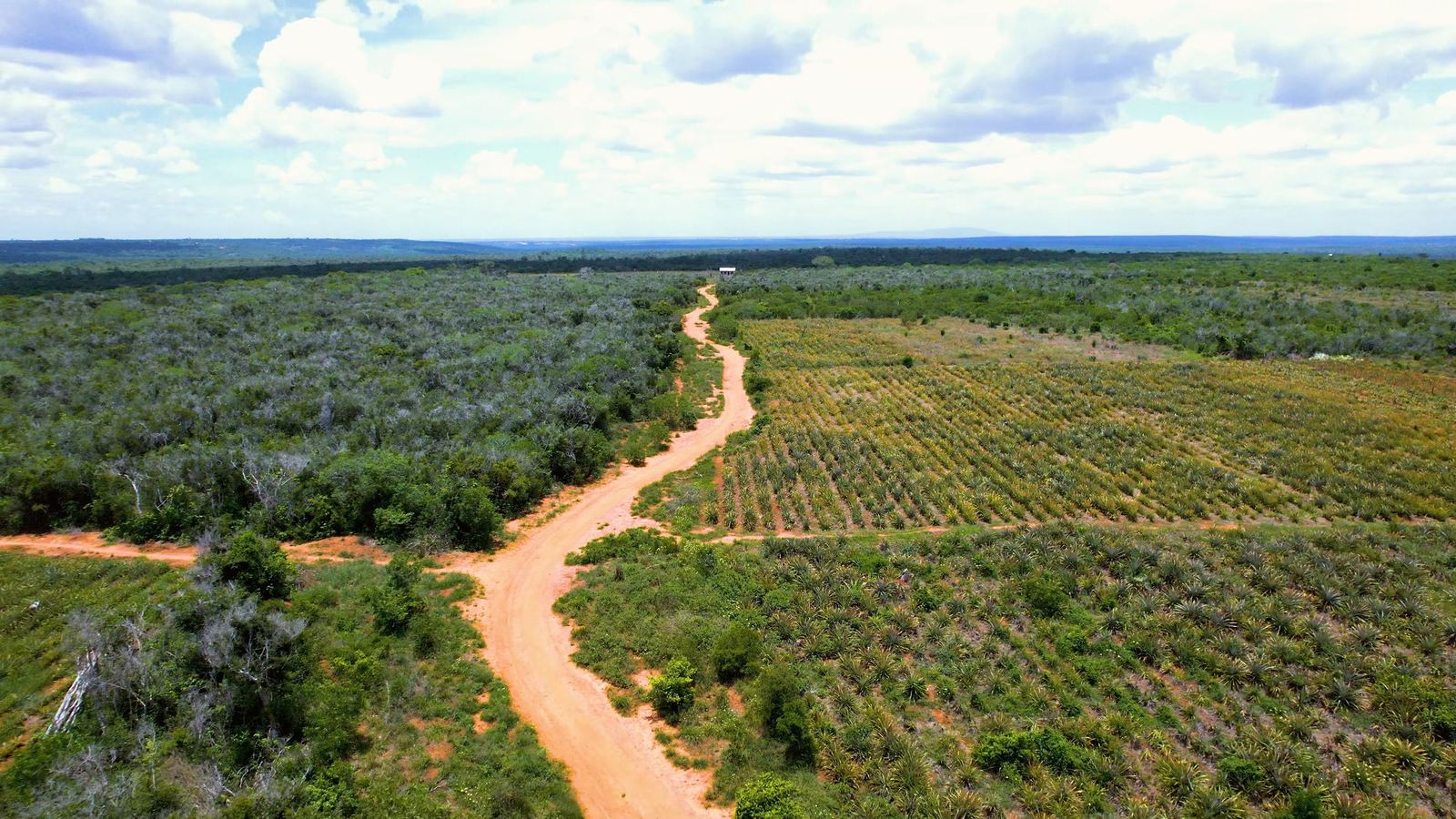
Coastal forest and mangroves
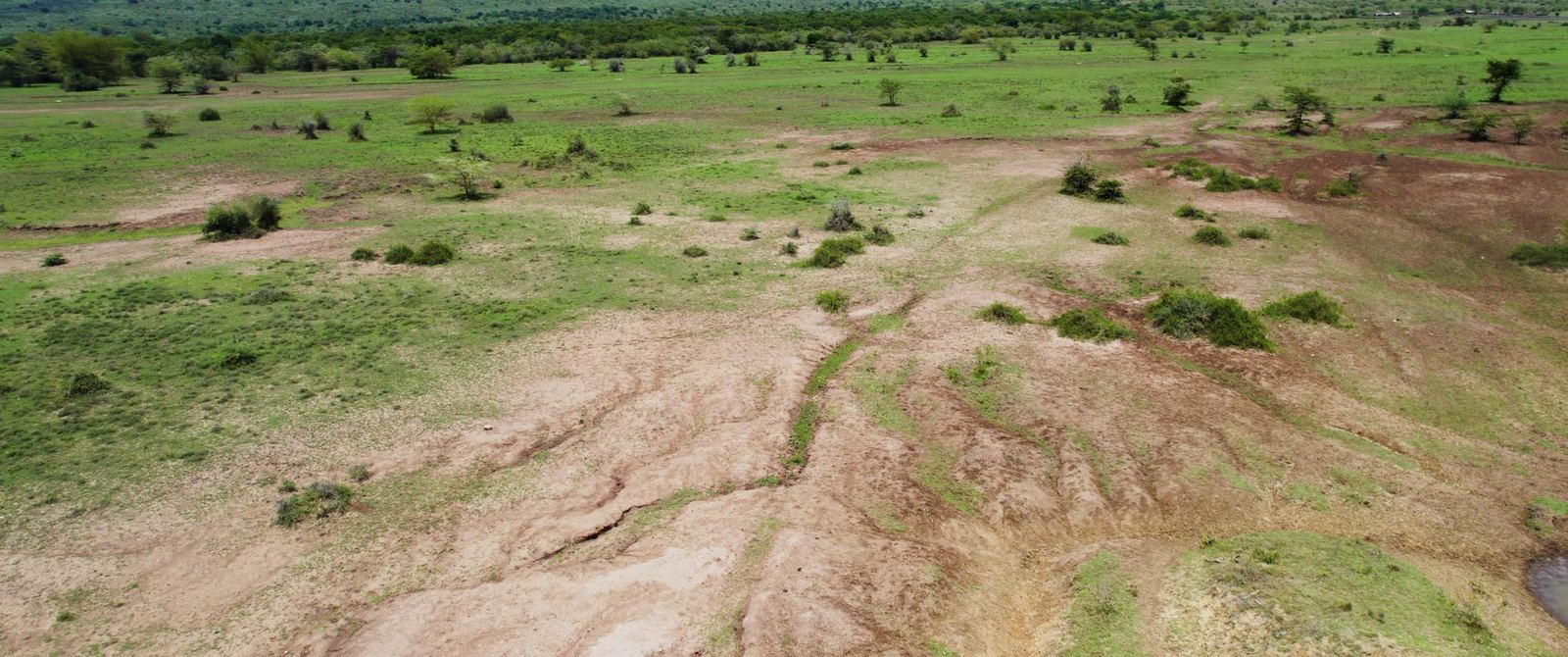
Highland water tower
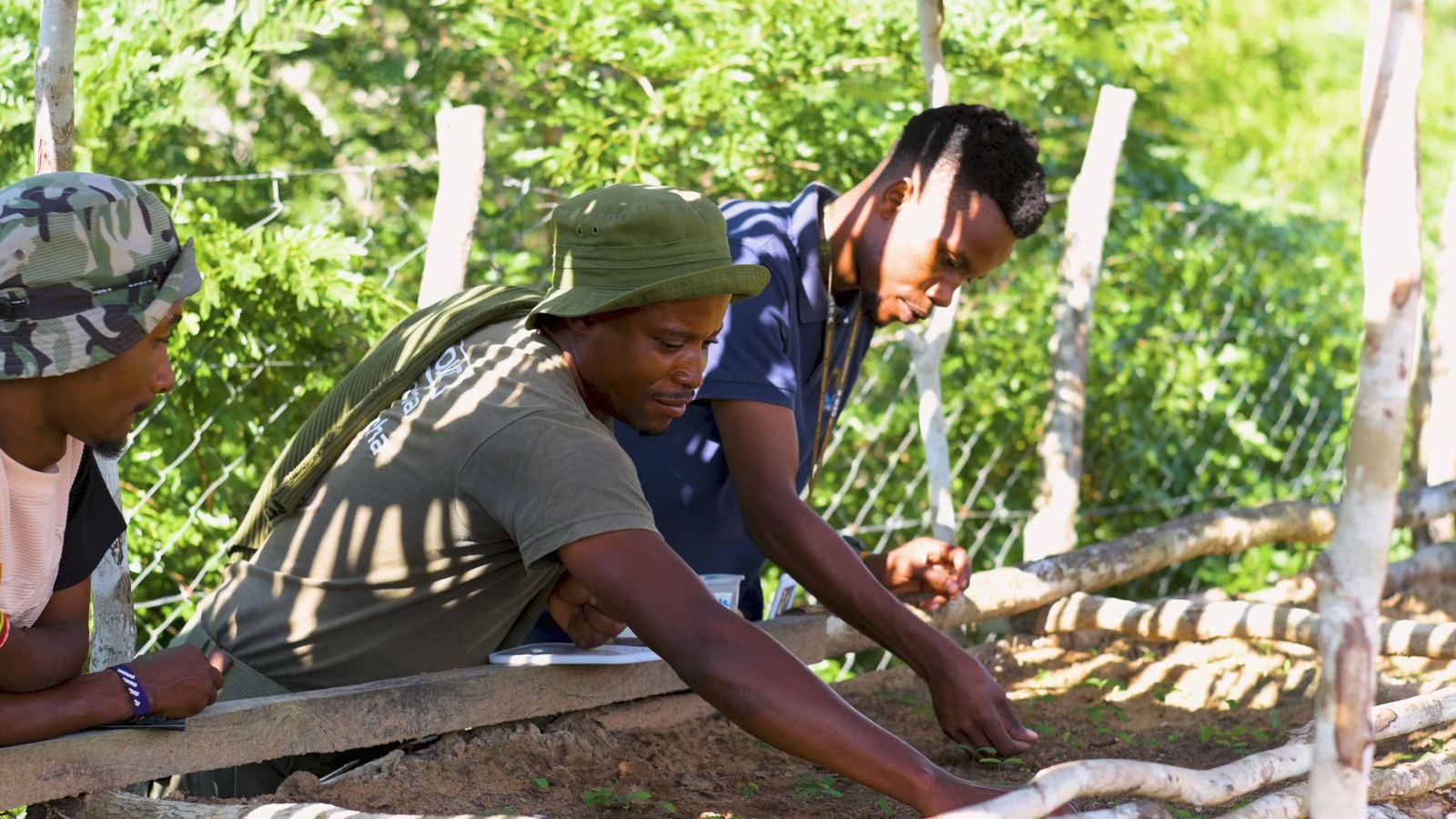
Tropical rainforest
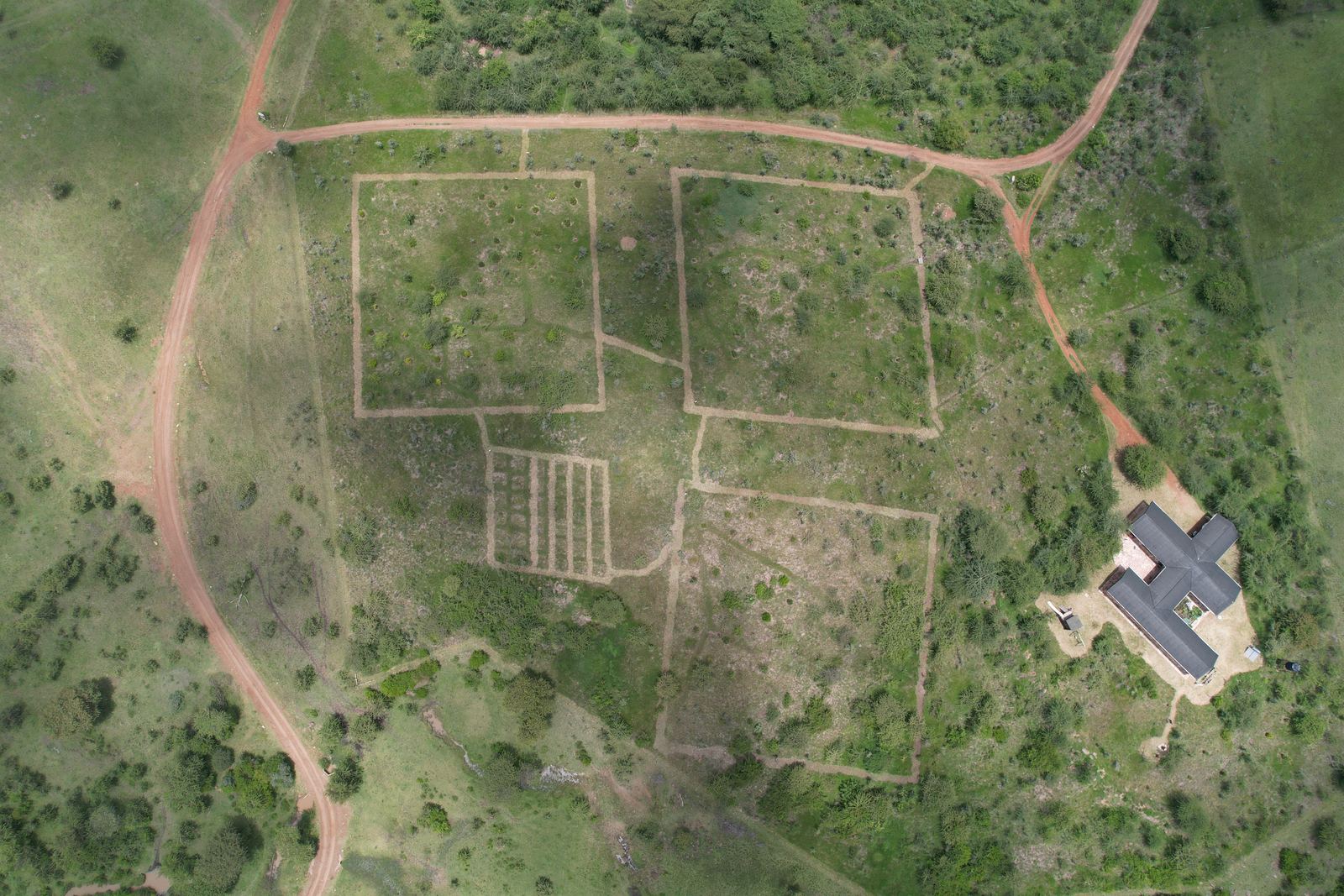
Savanna and wildlife corridor
The map
Every place we film goes on the map, with its story, its partners and what the evidence shows. Kenya first, then the rest of the continent.
Stylised map. Locations are approximate.
Learn
Guides, footage and the best global references, gathered for reporters, practitioners and anyone who wants to help.
Our plain-language checklist for reporters and the public, built on the five questions above.
Coming 2027B-roll, interviews and fact sheets from four Kenyan landscapes, free for editorial use.
Coming 2027A certification that rewards restoration projects for real biodiversity outcomes.
Visit ↗PracticeThe international principles and standards for the practice of ecological restoration.
Visit ↗DataAn open map of restoration projects worldwide, with satellite data on land cover and change.
Visit ↗GlobalThe 2021 to 2030 global movement to prevent, halt and reverse ecosystem degradation.
Visit ↗ScienceDi Sacco and colleagues, Global Change Biology, 2021: how to plant for carbon, biodiversity and livelihoods.
Read ↗For local journalists
We take the Lab to the communities where restoration happens: the Kilifi coast, Mount Kenya, Kakamega and the northern Mara. Two days for journalists who live and report there, from community radio to young reporters.
Day one, a restoration scientist explains how ecosystems recover and how to check a nature-based solution claim, and we cover interviewing, consent, and filming and recording on a phone. Day two, you are in the field with our crew. The strongest journalist in each landscape works alongside us for the whole shoot and publishes their own story. Every participant joins the network, so the skills stay where the stories are.
Register your interestThe community
Journalists, community reporters, restoration practitioners, scientists and volunteers. We meet online once a month to share stories, sources and data, and we connect people to planting and nursery days near them.